News Portal about the
Electrical Sector

See here for the information and tidings latest about the electricity sector. The content is curated by our specialists, considering the importance of the topic for the market.

O QUE SÃO USINAS REVERSÍVEIS

12/6/2026

Usinas reversíveis (ou usinas hidrelétricas de bombeamento) são instalações que funcionam como uma espécie de "bateria gigante" para o sistema elétrico.

O princípio é simples:

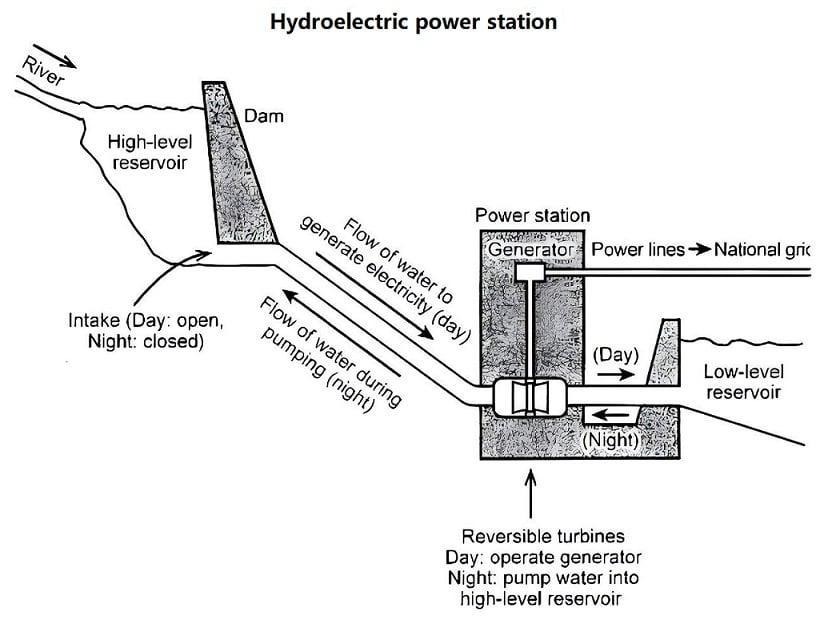
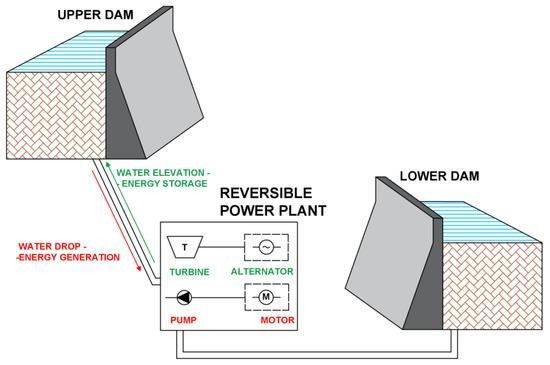
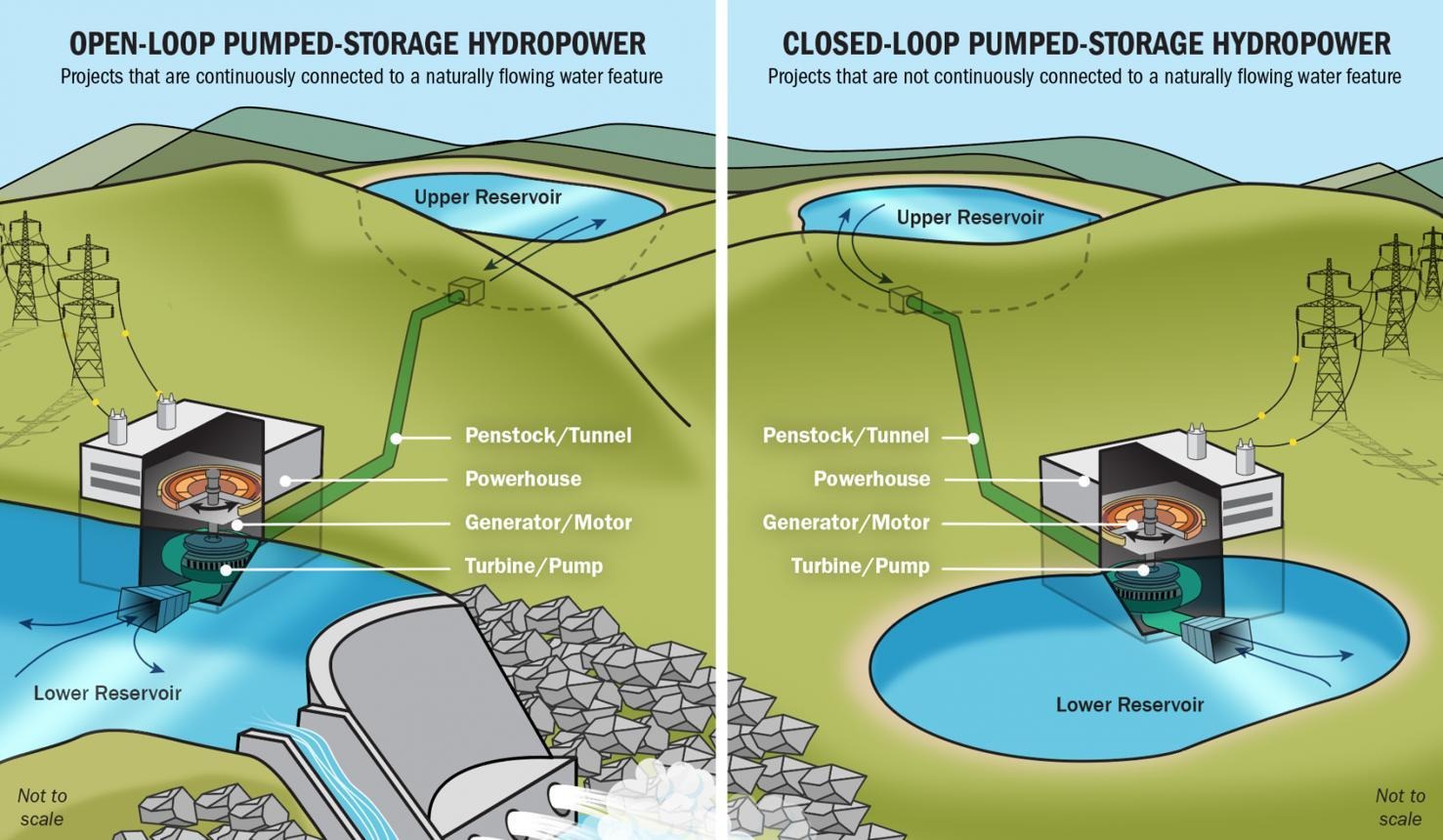
  1. Quando há excesso de energia elétrica (por exemplo, durante a madrugada ou quando há muita geração solar/eólica), a usina usa essa eletricidade para bombear água de um reservatório inferior para um reservatório superior. 
  2. Quando a demanda por energia aumenta, a água armazenada no reservatório superior é liberada para descer através de turbinas, gerando eletricidade, como em uma hidrelétrica convencional. 

Por que elas são importantes?

  • Armazenam energia em larga escala. 
  • Ajudam a equilibrar a rede elétrica. 
  • Complementam fontes renováveis intermitentes, como solar e eólica. 
  • Podem responder rapidamente a picos de consumo. 

Eficiência

Nem toda a energia usada para bombear a água é recuperada depois. Em geral, a eficiência global fica entre 70% e 85%.

Exemplo prático

Imagine que durante o meio-dia há muita geração solar e sobra energia. Em vez de desperdiçá-la, essa energia é usada para elevar água ao reservatório superior. À noite, quando o Sol se põe e o consumo aumenta, a água retorna pelas turbinas e gera eletricidade.

No Brasil

O Brasil possui grande potencial para esse tipo de empreendimento devido à sua geografia e experiência em hidrelétricas. Projetos de usinas reversíveis vêm sendo estudados para aumentar a capacidade de armazenamento do sistema elétrico e facilitar a integração de fontes renováveis.

Em resumo, uma usina reversível não cria energia, mas armazena energia elétrica na forma de energia potencial da água, liberando-a quando necessário.

COMPENSATION FOR GENERATION CUT (generation)

6/12/2024

“The Fifth Panel of the Federal Regional Court of the 1st Region granted an injunction determining that the National Electric Energy Agency guarantees full compensation to wind and solar generators affected by generation cuts in all constrained off events that occurred after the court ruling. The decision partially addresses the complaint filed by Abeeólica and Absolar, associations that represent these entrepreneurs.

> Continue reading “TRF1 determines compensation for power cuts at solar wind power plants”: https://bit.ly/4ggyrxz

Source: Canal Energia

Gostou deste conteúdo?

MANAGEMENT OF OPERATIONAL AND REGULATORY RISKS IN WEATHER CONTINGENCIES IN THE ELECTRICITY SECTOR

5/12/2024

By: Caio Cezar Neiva Huais

Publication: O Setor Elétrico Magazine — Issue of 05/12/2024


“Climate change has become one of the biggest global concerns, impacting various sectors of the economy.

The electricity sector, a fundamental segment for the development and maintenance of modern infrastructure and vital for the economic and social development of a country, has been facing increasing challenges due to climate change. Situations such as storms, floods, and droughts not only impact the operation of companies in the sector, but also bring up regulatory and compliance issues.

Climate change can generate a series of operational risks for energy companies, which must manage risks in situations such as:

-Physical risks: damage to infrastructure, interruption in energy supply, and increased demand during extreme weather events;

— Compliance risks: changes in regulations aimed at mitigating climate impacts, requiring adaptations in company operations; and

-Reputational risks: social pressure increases on companies to adopt sustainable practices and prepare for weather events.

To address these challenges, electric sector companies must implement a robust risk management framework that includes: risk identification; assessment and prioritization; development of contingency and mitigation plans; regulatory compliance and ongoing monitoring; and communication.

Risk identification— The first step is identifying operational and regulatory risks. This can be done by:

Scenario analysis: simulations of different weather events and their impacts on the operation, this includes storms, floods, and fires;

Asset mapping: identification of vulnerable infrastructure and its location in disaster-prone areas. (This column already included an approach to operational risk, a tool that measures vulnerability, impact, and risk of assets in operation).

After identification, it is crucial to assess the likelihood and impact of each risk, prioritizing those that may cause the greatest harm to the operation and regulatory compliance. Then, mitigation plans must be drawn up for each identified risk, encompassing actions such as:

— Investments in resilient infrastructure: strengthening electrical networks and protecting substations.

Training and empowerment: prepare teams to respond quickly to emergencies.

Strategic partnerships: collaborate with government agencies and NGOs to develop prevention and response initiatives.

Regulatory compliance — Companies must be aware of regulatory changes that may arise in response to weather events. This includes topics such as environmental regulations, which are requirements for the reduction of greenhouse gas emissions and the use of renewable energy. Safety regulations must also be observed, with guidelines to ensure safe operation during extreme events.

A continuous monitoring system is essential to ensure that companies comply with regulations and can adapt quickly to new requirements. In addition, effective communication is essential during crisis management. Companies must maintain an open line of communication with their stakeholders, clients, investors, and regulatory bodies, who must be informed about risks and actions taken. If there is damage, companies must engage with affected communities, ensuring a coordinated and effective response.

Therefore, managing operational and regulatory risks in the electricity sector, especially in the face of weather contingencies, is a complex but vital task. Companies that take a proactive approach to identifying, evaluating, and mitigating these risks will be better positioned to face future challenges and contribute to a more sustainable and resilient electricity sector. Investments in infrastructure, training and communication are fundamental to guarantee not only the continuity of services, but also the protection of the environment and the communities involved.

About the author:

Caio Huais is an industrial engineer, specializing in Electrical Engineering and Automation with
MBA in maintenance engineering and business management. It currently holds the position of
corporate maintenance manager at Grupo Equatorial, responsible for the performance of
High Voltage from 7 dealerships in Brazil.

Gostou deste conteúdo?

OTHER INFORMATION FOR TODAY

5/12/2024

- EDP wants to increase its distribution presence in Brazil: https://bit.ly/3OH21Qv

“The company has R$ 12 billion to invest in SP, ES and the transmission segment in 5 years. Expansion must follow the rule of limiting the country to 20% of global EBITDA”.

- Prumo's new UTE may participate in the next capacity auction: https://bit.ly/3OG6bYY

“The project is under construction and is considered a competitive project for auction.”

- The skyrocketing energy price and the risks for the free market: https://bit.ly/49lXZqa

“The presence of a Central Counterparty may also attract new agents, such as investment funds and banks, which, due to commandments and regulations, operate only in markets with CCPs.”

Source: Canal Energia

Gostou deste conteúdo?

LOAD ON THE SIN (generation)

5/12/2024

“The Electric Energy Trading Chamber, the National Electric System Operator and the Energy Research Company released last Tuesday, December 3, the Load Forecasts for the Annual Planning of the Energy Operation 2025-2029. The forecast is for an average annual expansion of 3.3% of the load of the National Interconnected System SIN in the period.

> Continue reading the news article “The load on the SIN is expected to increase by an average of 3.3% between 2025 and 2029”: https://bit.ly/4ggEBx5

Gostou deste conteúdo?

ANEEL POSTPONES DECISION ON CONTRIBUTIONS FROM DISTRIBUTORS (distribution)

5/12/2024

“Ricardo Tili, director of the National Electric Energy Agency, requested a review of the process that considered a request filed by the Brazilian Association of Energy Distributors with a view to suspending the application of the contract clauses relating to the assessment of efficiency criteria in relation to the economic and financial management of distributors. The application of the clauses would require the concessions to execute billion-dollar investments totaling more than R$ 10 billion. At the meeting, Tili said she wanted to reanalyze the new arguments presented.

> Learn more in the article “Aneel once again postpones decision on billion-dollar investments in distributors”: https://bit.ly/3BfJpny

Gostou deste conteúdo?

Accredited by the National Electric Energy Agency — ANEEL to support the regulatory body

ANEEL - Agência Nacional de Energia Elétrica

Soluções no Setor Elétrico

Nossa expertise no Setor Elétrico é resultado de diversos projetos executados por nossos profissionais em empresas de Geração, Transmissão, Distribuição e Comercialização.

Por que escolher a TATICCA?

O objetivo de nosso time é apresentar insights relevantes para o seu negócio e apoiá-lo em seu crescimento!

  • Equipe personalizada para cada projeto

  • Adequação caso a caso

  • Abordagem flexível

  • Envolvimento de Executivos Sêniores nos serviços

  • Expertise

  • Independência

  • Recursos locais globalmente interconectados

  • Equipe multidisciplinar

  • Capacitação contínua

  • Métodos compartilhados com os clientes

  • Amplo conhecimento dos setores

  • Mais modernidade, competência, flexibilidade, escalabilidade e foco no cliente

Our team

Professional specialists in the electrical sector
Do you have any questions?

Send us a message

por favor, preencher o campo.

Thank you for getting in touch! We received your message and will be back soon!
Unfortunately we were unable to submit your request, please try again later.